Your collection, catalogued.
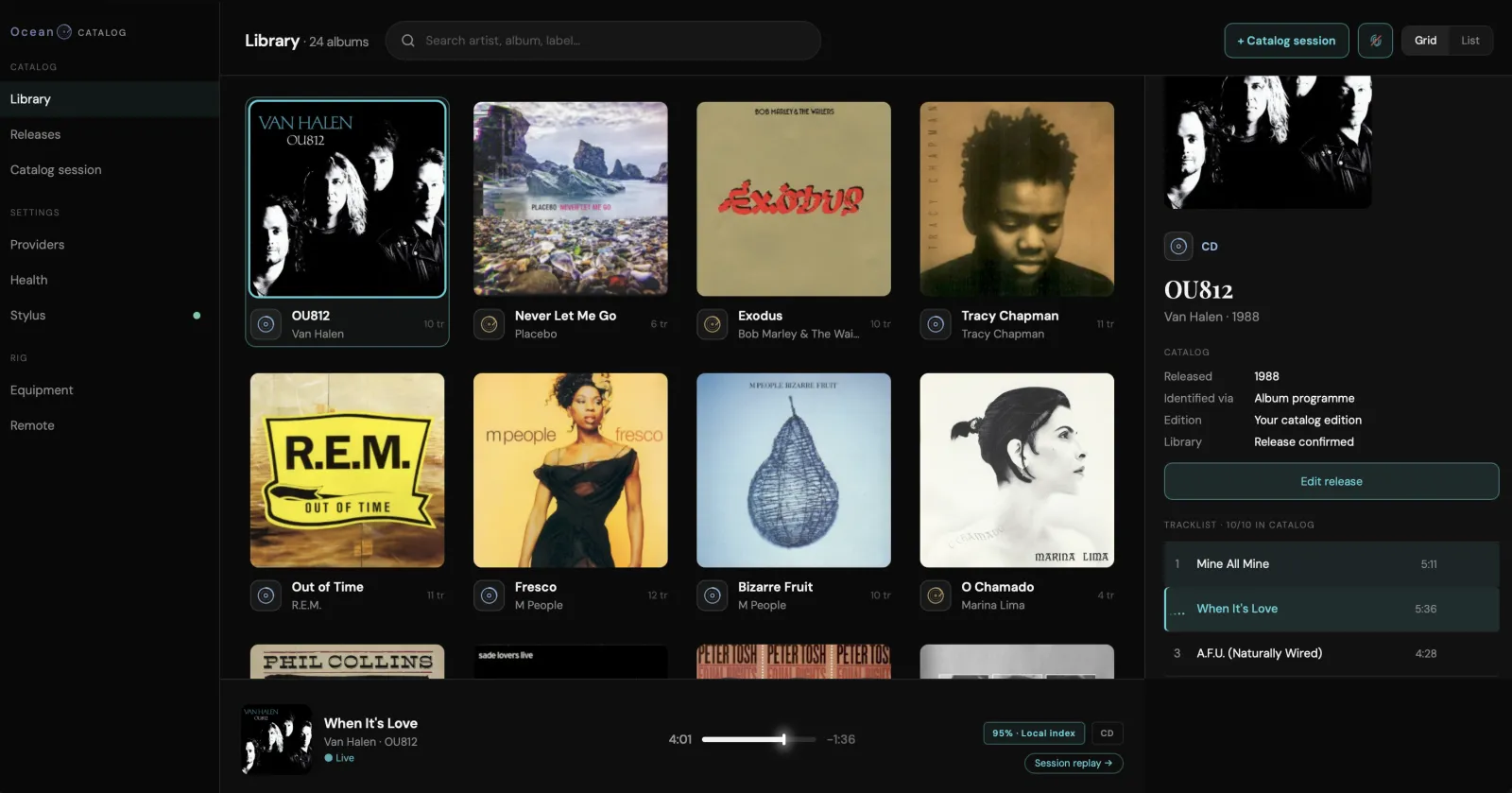
Cover-art library, search, the playing track highlighted, and multiple pressings of the same album. Enriched automatically from public music catalogs such as MusicBrainz and Discogs.
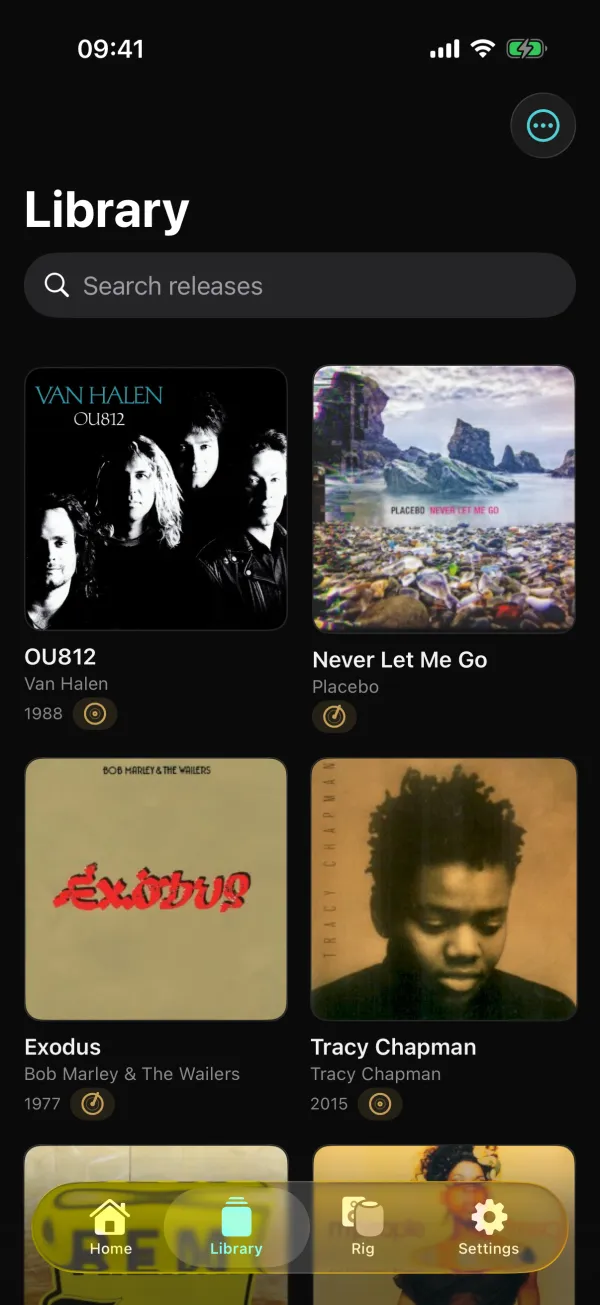
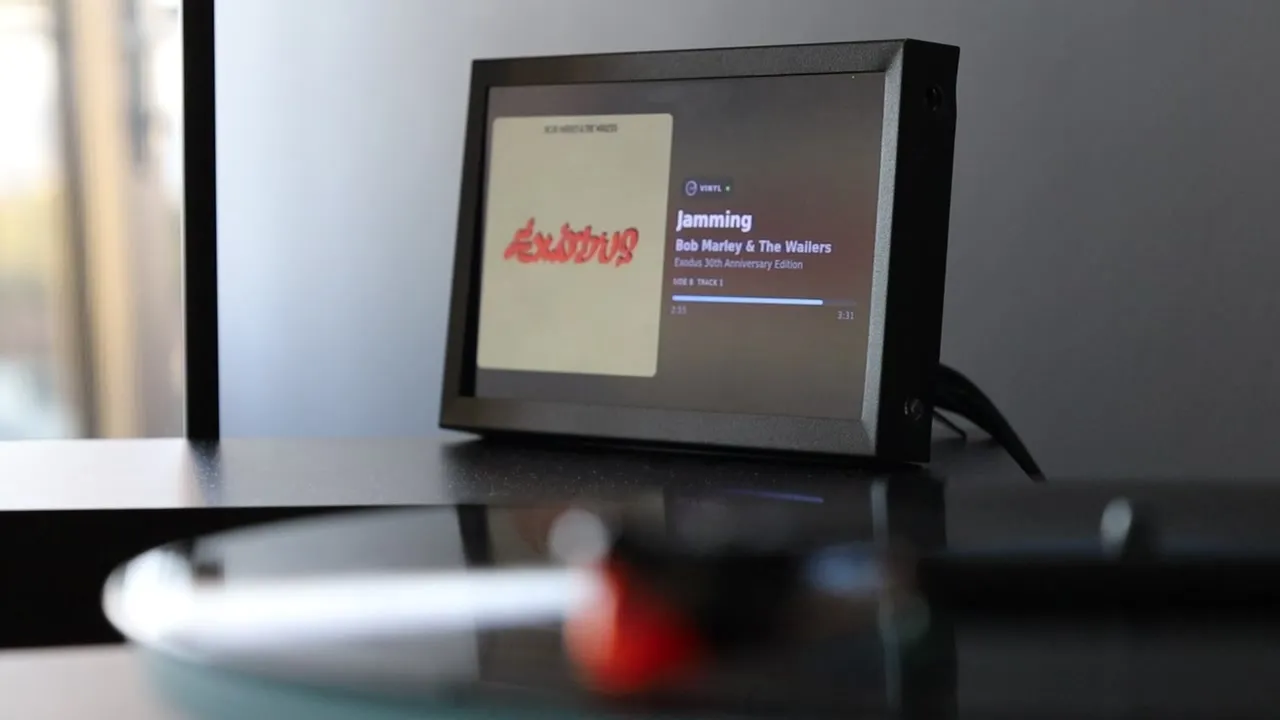
See what's playing on your vinyl, CD or cassette on a TV, a display or your phone — recognized and cataloged effortlessly.
How it works
OceanO takes a line-level feed from a record or line output and shows what's playing on screen. Nothing in the signal path: what reaches your speakers is exactly what reached them before.
Turntable · CD Player · Cassette Deck
Your sources
Amplifier
REC OUT or LINE OUT
OceanO
Listens, catalogs and displays
Connect it once.
Plug OceanO into your amplifier's REC OUT, TAPE OUT or LINE OUT. It doesn't matter which amplifier, new or old, as long as it has a line-level audio output.
Play as you always do.
Follow your ritual... vinyl, CD or cassette.
See what's playing.
Artwork, title, artist and position: side and track on vinyl or cassette, track number on CD.
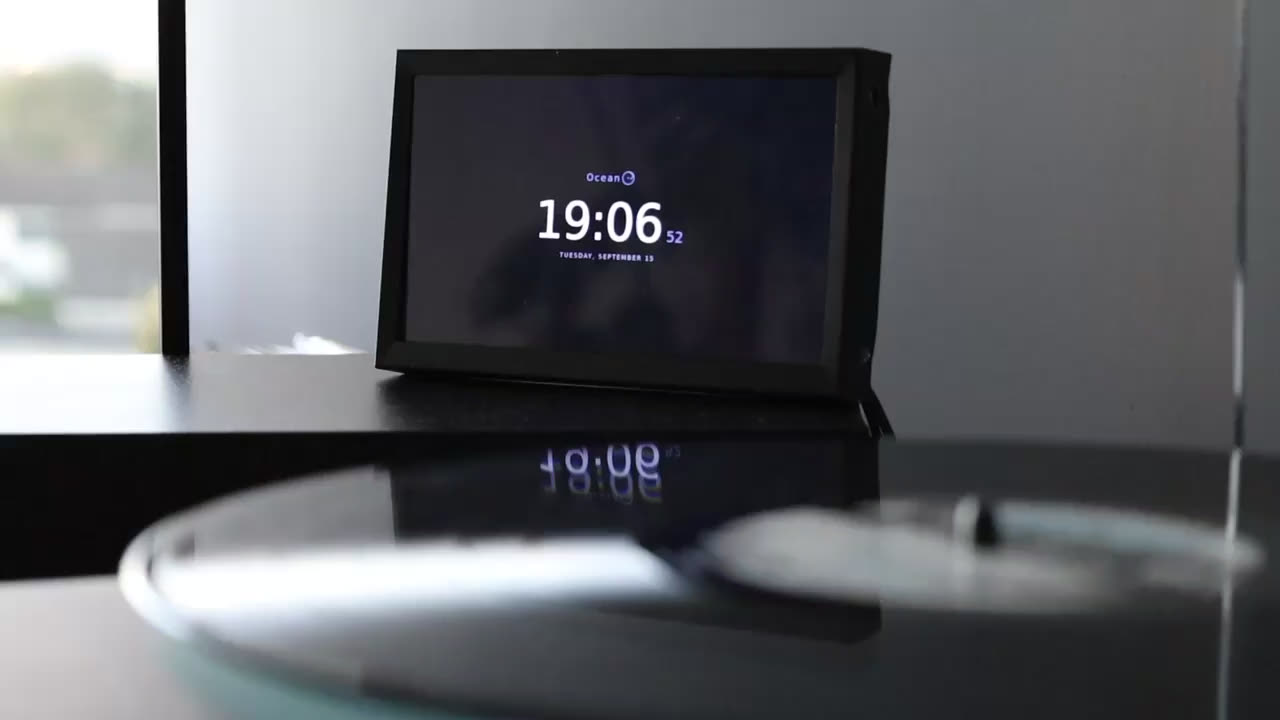
On the display
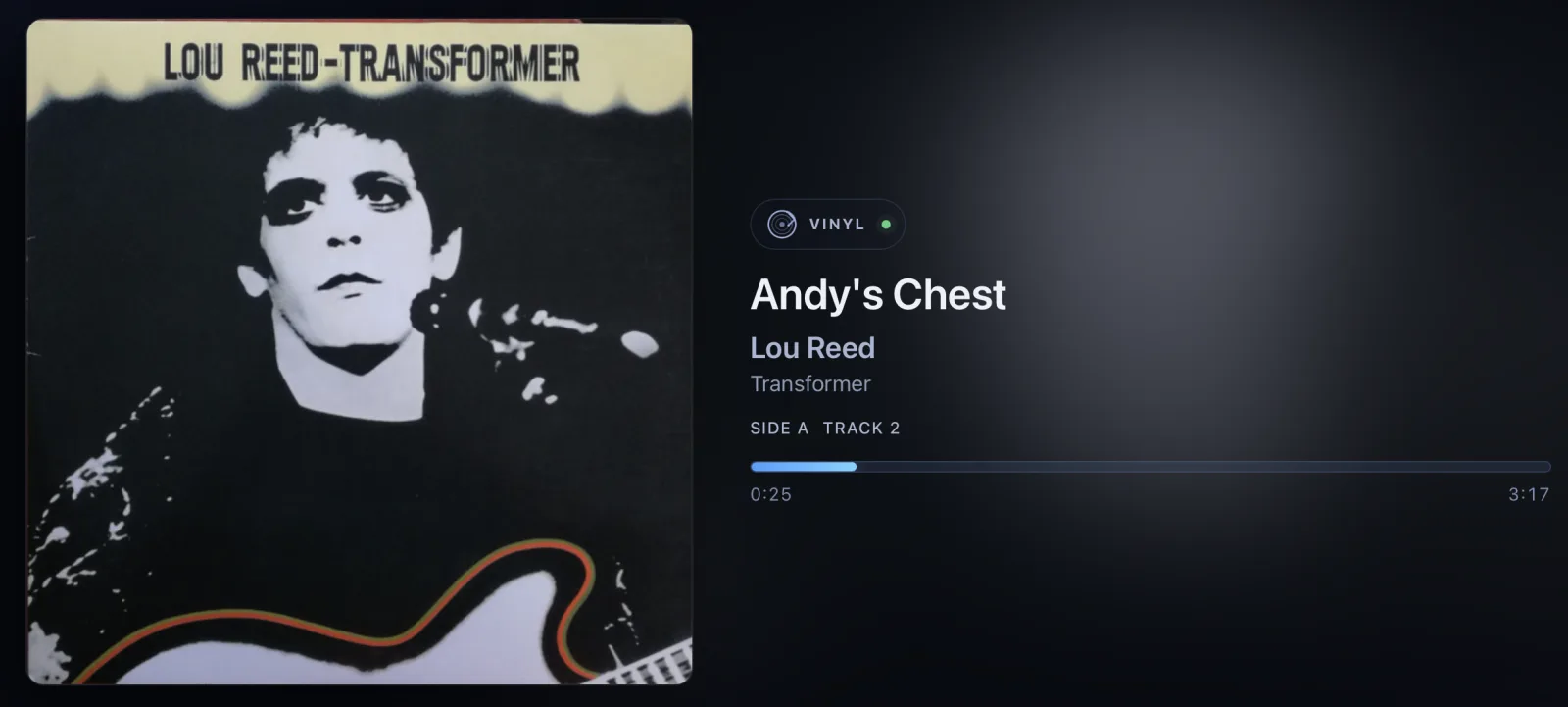
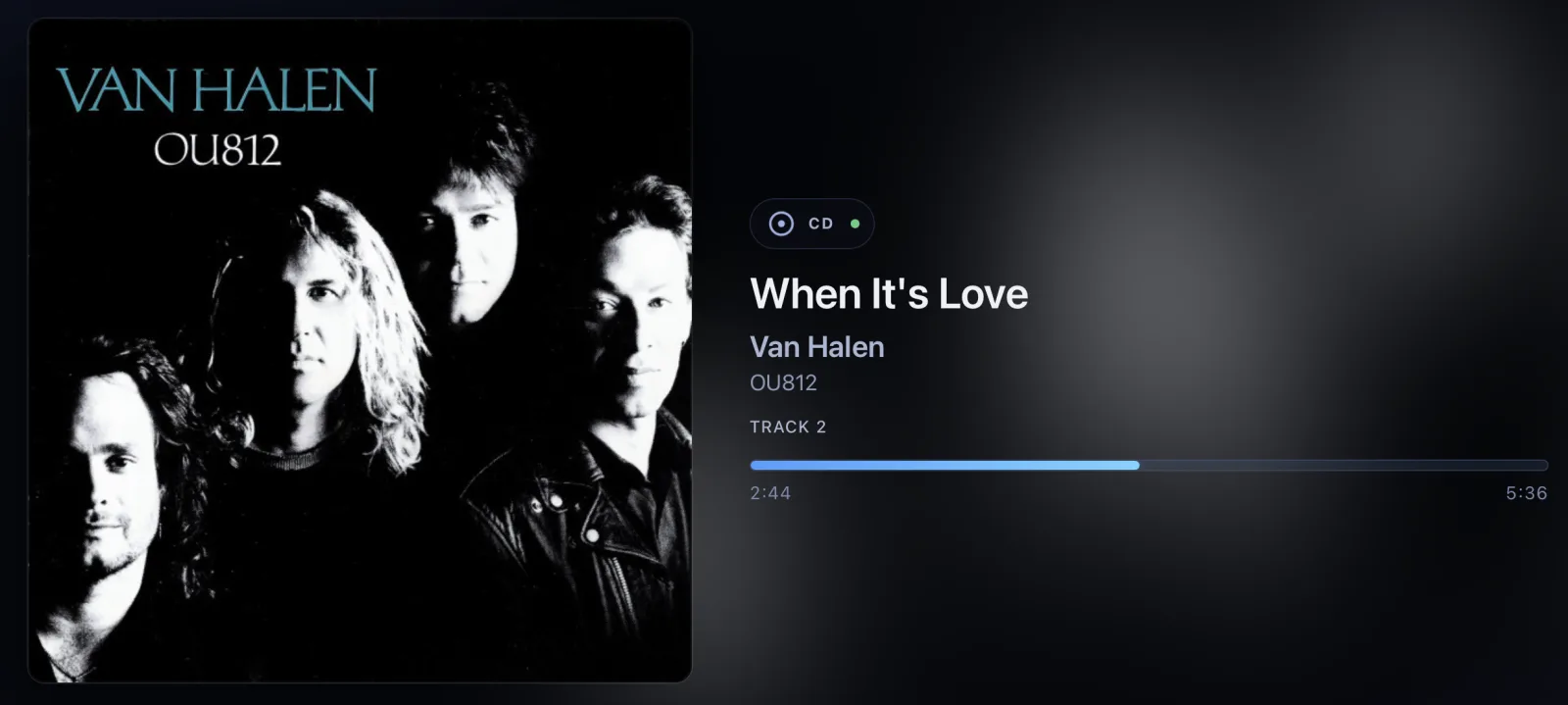
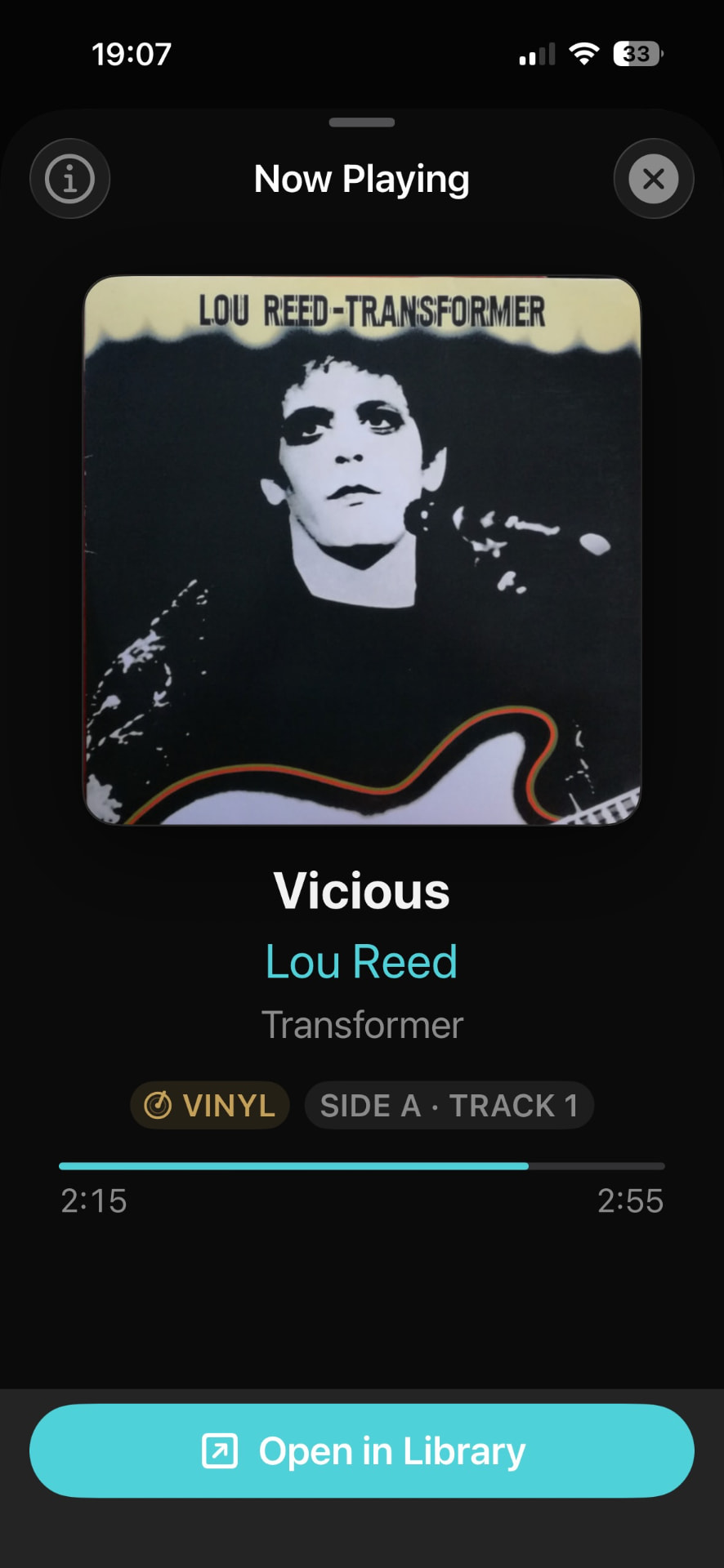
The app follows along, and takes you straight to the release in your library.
The device
OceanO comes fitted inside a 74 × 40 × 28 mm case. The first version is made to take a Raspberry Pi Zero 2 WH, which you buy separately and fit by taking off the base cover.
Drag to turn
The current case prototype. Shape, ports and finishes may change before release.
LINE IN
A 3.5 mm cable from your amplifier's REC OUT, TAPE OUT or LINE OUT.
HDMI
To the screen where Now Playing appears: a TV, a monitor or a small panel.
5V
The Raspberry Pi's own micro-USB power supply.
How it recognizes
OceanO builds its own fingerprint index from your collection.
Offline
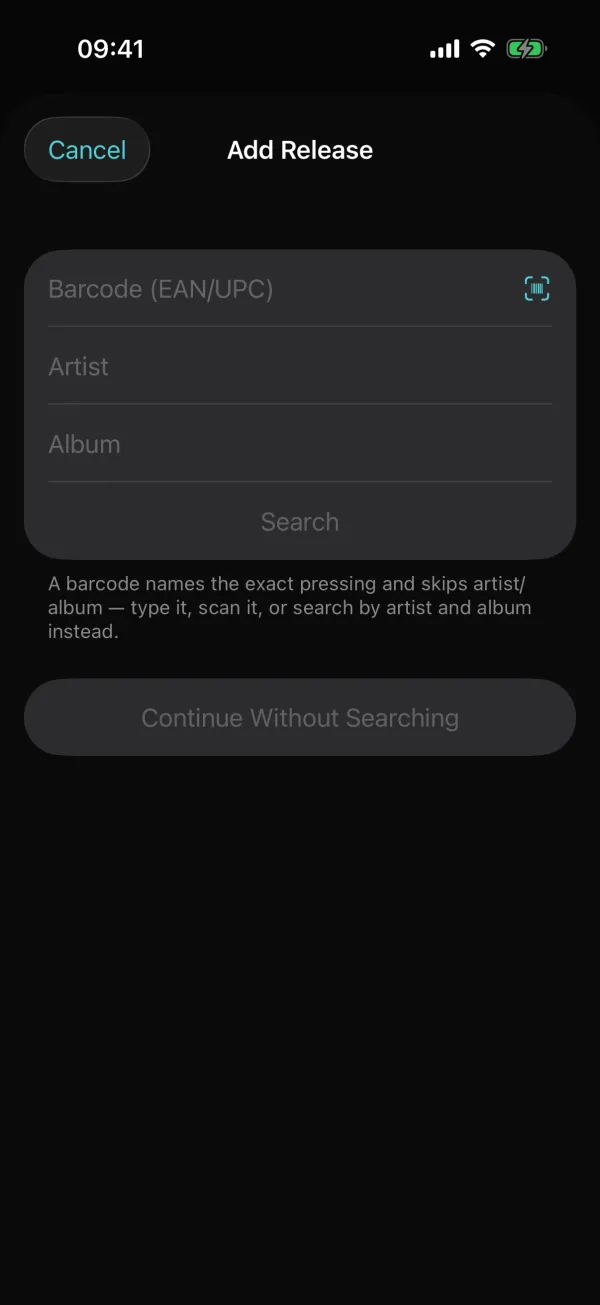
Register each release, by barcode or by hand. Put a physical record on to play and wait for OceanO to ask you to make the match. From then on, OceanO does the rest automatically.
With the help of online providers
When OceanO doesn't know a track, it asks the recognition services you configure and catalogs what they identify. Quicker to start, but only as accurate as the provider's data.
Either way, OceanO asks instead of guessing. If it isn't sure, the play waits for you in a review queue, and is never logged wrong. You get a catalog of your collection, effortlessly.
Stylus wear
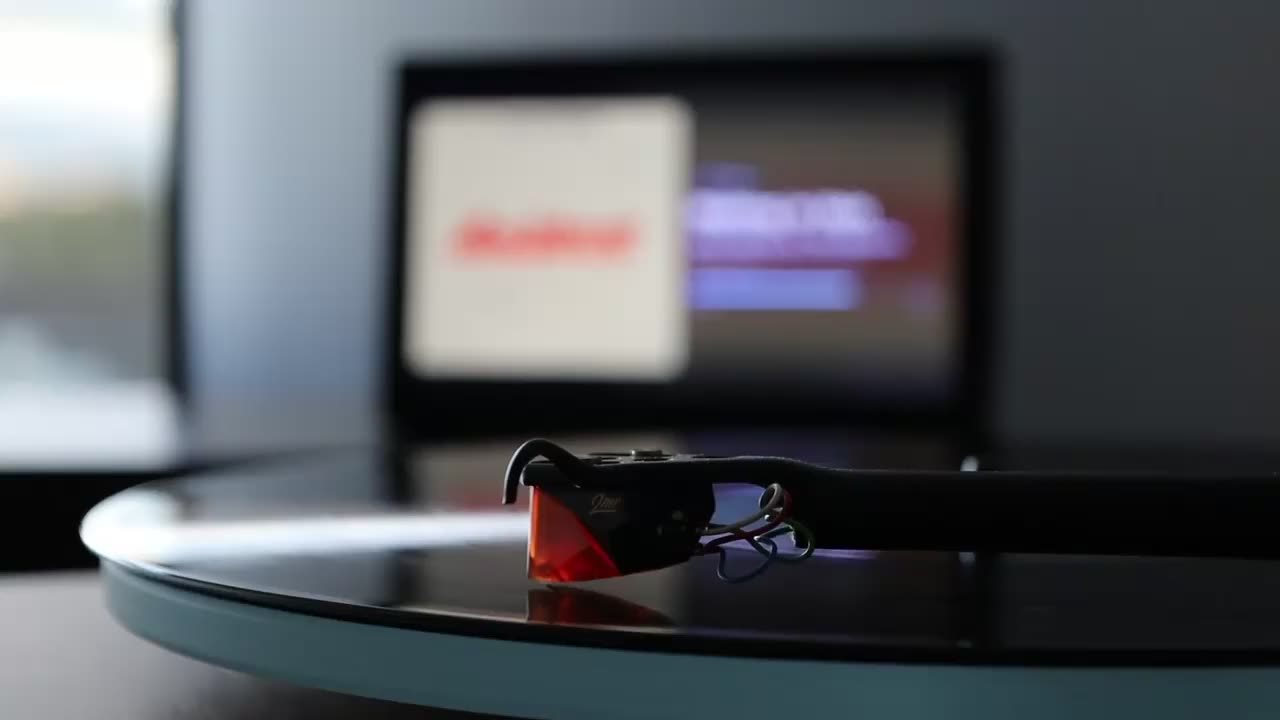
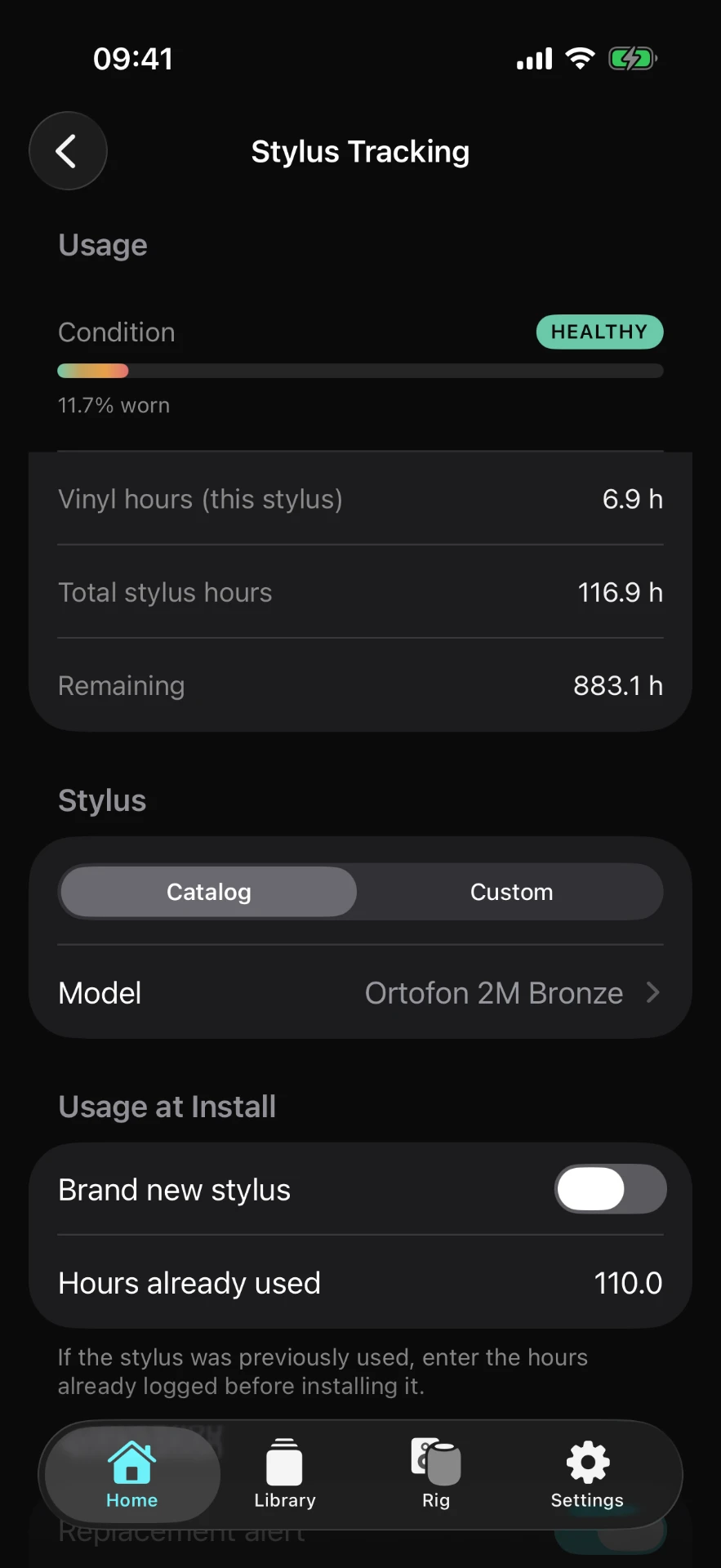
Register your cartridge and the rated life of its stylus. OceanO logs actual vinyl playing time from the tracks it recognizes, with no manual log, and estimates remaining hours and wear against that rating. As the stylus nears the end of its rated life, OceanO reminds you to inspect it.
Private by design
No accounts, no server connection. You own your collection. OceanO is your smart catalog.
On the device
Your library and play history are stored locally, not on a server.
No account
Nothing to sign up for. Your phone talks to OceanO over your home network.
Never shared
What you listen to stays between you and your system (unless you turn on cloud recognition, where short WAV samples are sent to the servers you configured yourself).
Note: artwork and track data come from servers such as MusicBrainz and Discogs (requires your own account).
Everything else
Cover-art library, search, the playing track highlighted, and multiple pressings of the same album. Enriched automatically from public music catalogs such as MusicBrainz and Discogs.
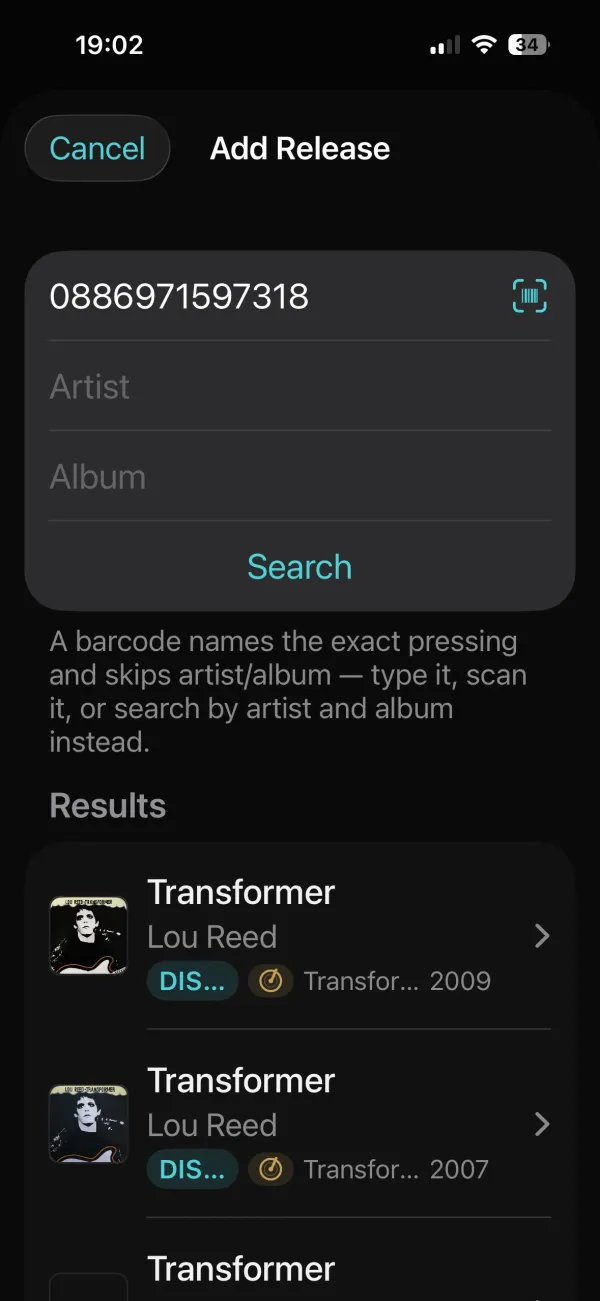
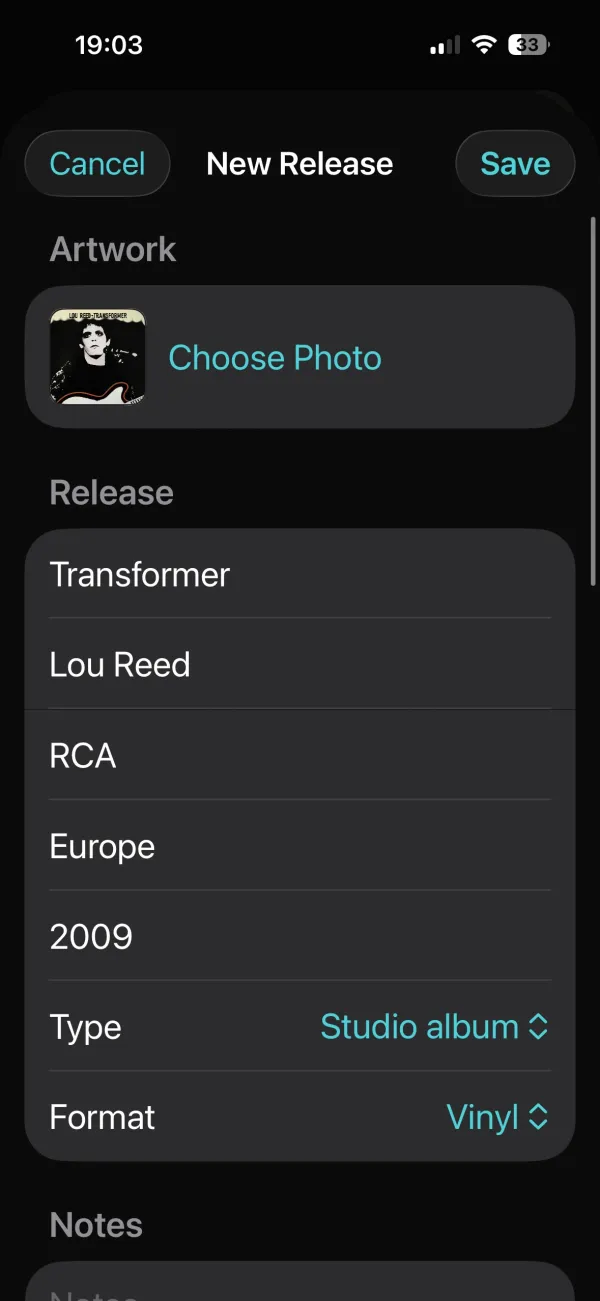
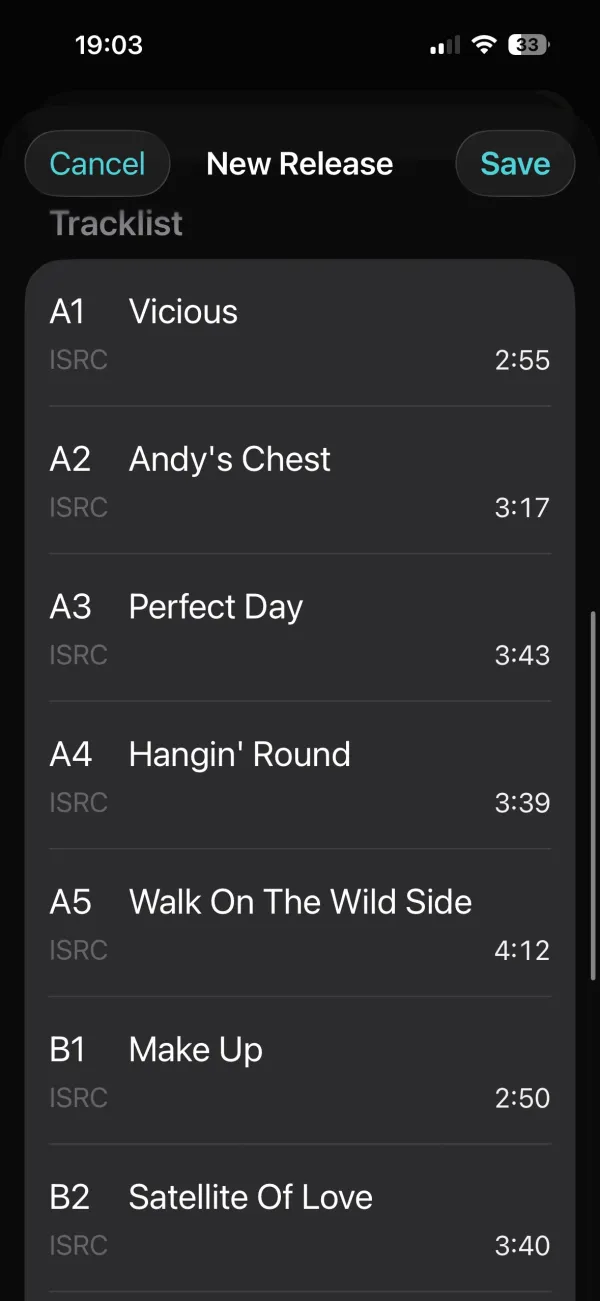
Scan it, choose the exact pressing, and the tracklist comes with it, laid out by side.
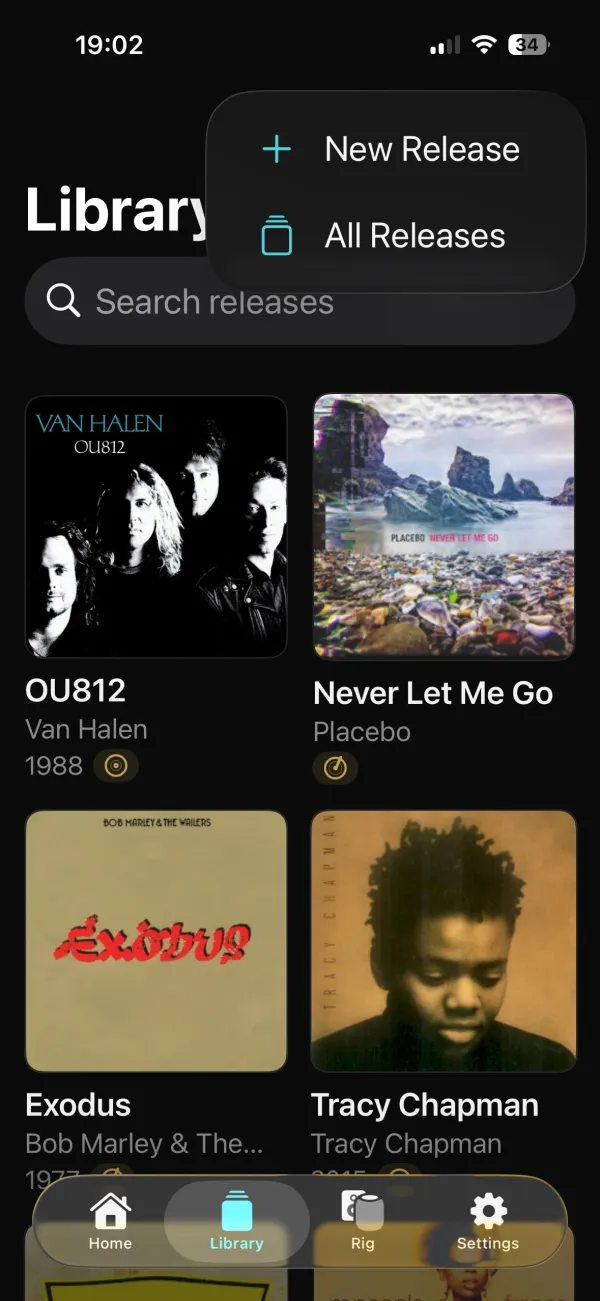
1/5 Library → New Release
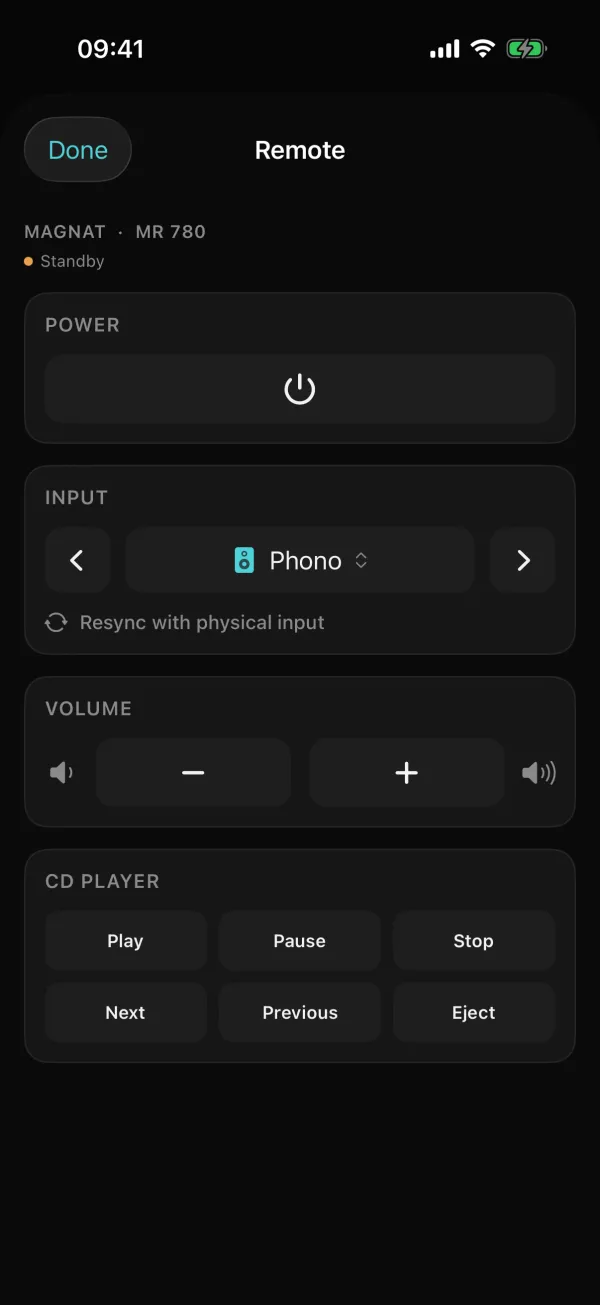
Power, input and volume over infrared, from your phone. It can learn commands from your existing remote.
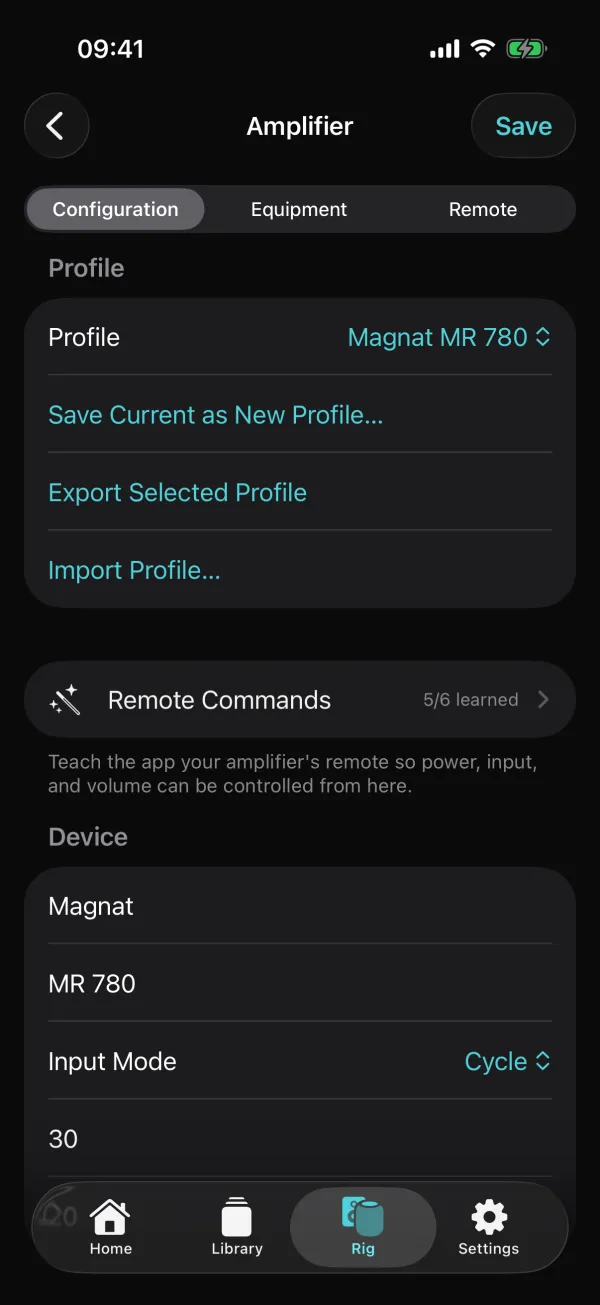
Amplifier profiles and inputs, so OceanO knows that Phono means vinyl.
Everything above from your phone, or on a bigger screen in the browser.
And as a convenience, AirPlay and Bluetooth streams play through the DAC you choose.
Where we are
OceanO is a working prototype, in daily use in my living room. Its own audio board is designed and the first samples are being made, along with the case above. Next comes the first version you can buy: the box, ready for your own Raspberry Pi. Sign up for early access to follow along and be first in line.
FAQ
It's designed for amplifiers with a REC OUT, TAPE OUT or LINE OUT, which most hi-fi amplifiers have, old and new. You replace nothing. If the LINE OUT follows the volume knob, you may need to adjust OceanO's input level once.
No. OceanO takes a copy of the signal from a record or line output and sends nothing back. It isn't between your sources and your speakers.
It isn't a streaming service: it recognizes what you already play. It doesn't replace your amplifier, turntable or CD player. It isn't an app you hold up to the speaker: it listens continuously and keeps a growing library. And it isn't a cloud product: it can run 100% offline.
Not in offline mode. In cloud-assisted mode, only short audio samples go to the providers you configured.
Yes. Turn recognition off from the phone app whenever you'd rather a session wasn't logged, and back on when you're done. If your amplifier is set up in OceanO and controlled through its remote, you can also choose inputs it should never recognize. AirPlay and Bluetooth streams are shown on the display but never added to your library.
Offline if you want the catalog to match your exact pressings, including releases online databases miss or get wrong, and don't mind registering records yourself. It also keeps everything in your house. Cloud-assisted if you'd rather not catalog by hand and let recognition fill the library as you play, accepting that the provider's data may need the odd correction.
Vinyl, CD, tape and other line-level sources, plus AirPlay and Bluetooth metadata (as a convenience, but it requires a DAC).
That's when OceanO learns each track's fingerprint, so it needs to hear it through. Whole tracks are enough, not a whole side or CD. After that, recognition is automatic.
It asks instead of guessing: uncertain plays wait for one tap in the review queue.
An amplifier with a line-level output, a screen with an HDMI input, and, for the first version, a Raspberry Pi Zero 2 WH with its power supply. Later versions will come with the computer inside.
Not yet. It's a working prototype, and the first version, the box for your own Raspberry Pi, is next. Sign up for early access.
OceanO isn't for sale yet. Leave your email and we'll write when early units are ready.